
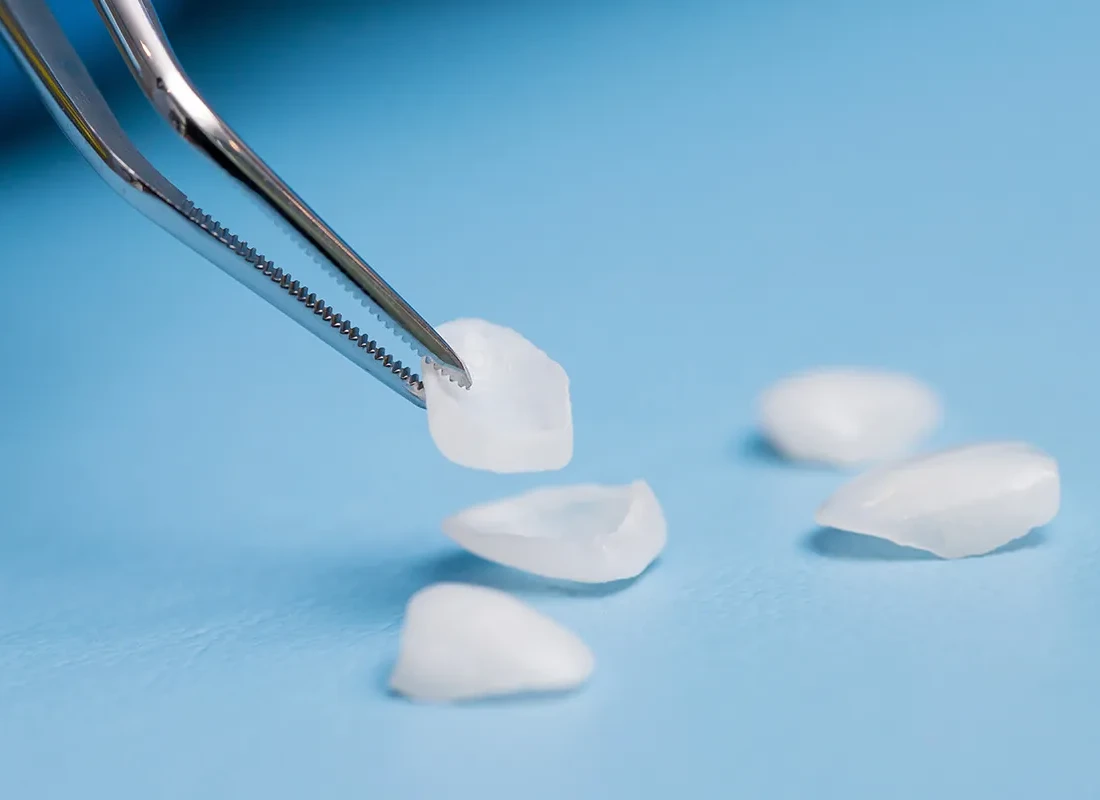
With good care, porcelain veneers can last a decade or more before they need replacing.
Wondering how new veneers will look ten years from now? How long do porcelain veneers last is a fair question before any enamel is shaped. Porcelain veneers are thin, custom shells bonded to the front of the teeth to cover chips, gaps, stains and uneven edges. With good care, they can last a decade or more before they need replacing.
That timeframe is a guide rather than an expiration date. Bite forces, daily habits and gum health all move it up or down.
Quick Answer
With good care, porcelain veneers can last a decade or more before they need replacing. Their lifespan depends on the bite, grinding or clenching, habits like chewing ice, and the health of the teeth and gums underneath. Planning that checks the bite before placement and regular cleanings afterward both help a set last longer.
Key Takeaways
- Porcelain veneers can last a decade or more when the teeth and gums stay healthy.
- Grinding, clenching and biting hard objects can wear a veneer out well before its time.
- The tooth under a veneer can still decay, so brushing and flossing still matter.
- Veneers are a long-term commitment, because a thin layer of enamel is removed first.
- A worn or damaged veneer can be replaced with a new shell on the same tooth.
How Long Do Porcelain Veneers Last in Everyday Life?
In everyday life, porcelain veneers last as long as the bond, the edges and the tooth underneath stay sound. One set can last well past a decade while another wears out sooner.
The porcelain itself is strong and resists stains from coffee, tea and wine. What ages over the years is the bond, the edges near the gum and the natural tooth underneath.
Are Veneers Permanent?
Veneers are a long-term commitment rather than a permanent fixture. To make room for a porcelain shell, the dentist lightly shapes the front of the tooth, removing a thin layer of enamel. Enamel doesn’t grow back, so that tooth will always need a covering of some kind.
The veneer itself can be replaced. When one wears out, the old shell is removed, the tooth is checked, and a new shell is made from a fresh scan and bonded in its place.
What Shortens the Life of a Veneer?
Heavy, repeated force wears veneers out early. According to the American Dental Association, veneers may not be a good choice for people who clench or grind their teeth or who have a deep overbite.
Everyday habits add up too. Chewing ice, biting fingernails, opening packages with the teeth and snapping hard candy all put sharp loads on thin porcelain. A sports injury can chip a veneer as easily as a natural tooth, so a mouth guard matters during contact sports.
Gum and tooth health matter as well. The porcelain can’t get a cavity, but the natural tooth along its edges can. Gums that pull back over the years can also expose the edge of a veneer near the gumline.
How Do Porcelain and Composite Veneers Compare?
Porcelain is the longer-lasting of the two common veneer materials. Composite veneers are made from tooth-colored filling material sculpted directly on the tooth, and the ADA notes they are not as stain- or wear-resistant as porcelain.
Composite is quicker to repair when it chips, and it may need less enamel removed. Porcelain holds its shine and color for longer, and each shell is made in a dental lab from a scan of the tooth. The right material depends on the tooth, the bite and what the dentist recommends after an exam.
Does Planning Before Placement Affect How Long Veneers Last?
Careful planning before placement helps a set last. Before any shaping, the dentist checks that the teeth and gums are healthy, since decay or gum disease needs treatment first. The bite is checked too, because teeth that meet hard on one edge put extra load on that veneer.
A digital scan from an intraoral scanner captures the shape of each tooth, and temporary veneers let the patient try the new shape before the final shells are made. That trial period is a chance to notice anything that feels high or catches when biting. Adjustments made at this stage carry over to the final veneers.
Frequently Asked Questions
Do porcelain veneers stain?
Porcelain resists the stains left by coffee, tea and wine. The natural teeth beside the veneers can still darken, so their shade may drift away from the veneers over the years.
Can you whiten veneers?
Whitening gel lightens natural enamel but does not change the color of porcelain. That is why whitening, if wanted, is done before veneers are made, so the shells can be matched to the brighter shade.
Do veneers fall off?
A well-bonded veneer stays firmly attached, though it can loosen over time under heavy biting forces. If one comes off, keep it in a small container and bring it in, since the dentist may be able to bond it back on.
Built for the Long Run
Porcelain veneers are made to last for many years, and planning and daily care decide how many. Healthy teeth underneath, a balanced bite and protection from grinding give each shell its best chance of passing the decade mark.
Related Reading
-
The Role of Night Guards in Preventing Long-Term Dental Issues
-
If you want to learn more about how long veneers last, visit our Porcelain Veneers in Oceanside, CA page or schedule a consultation.