
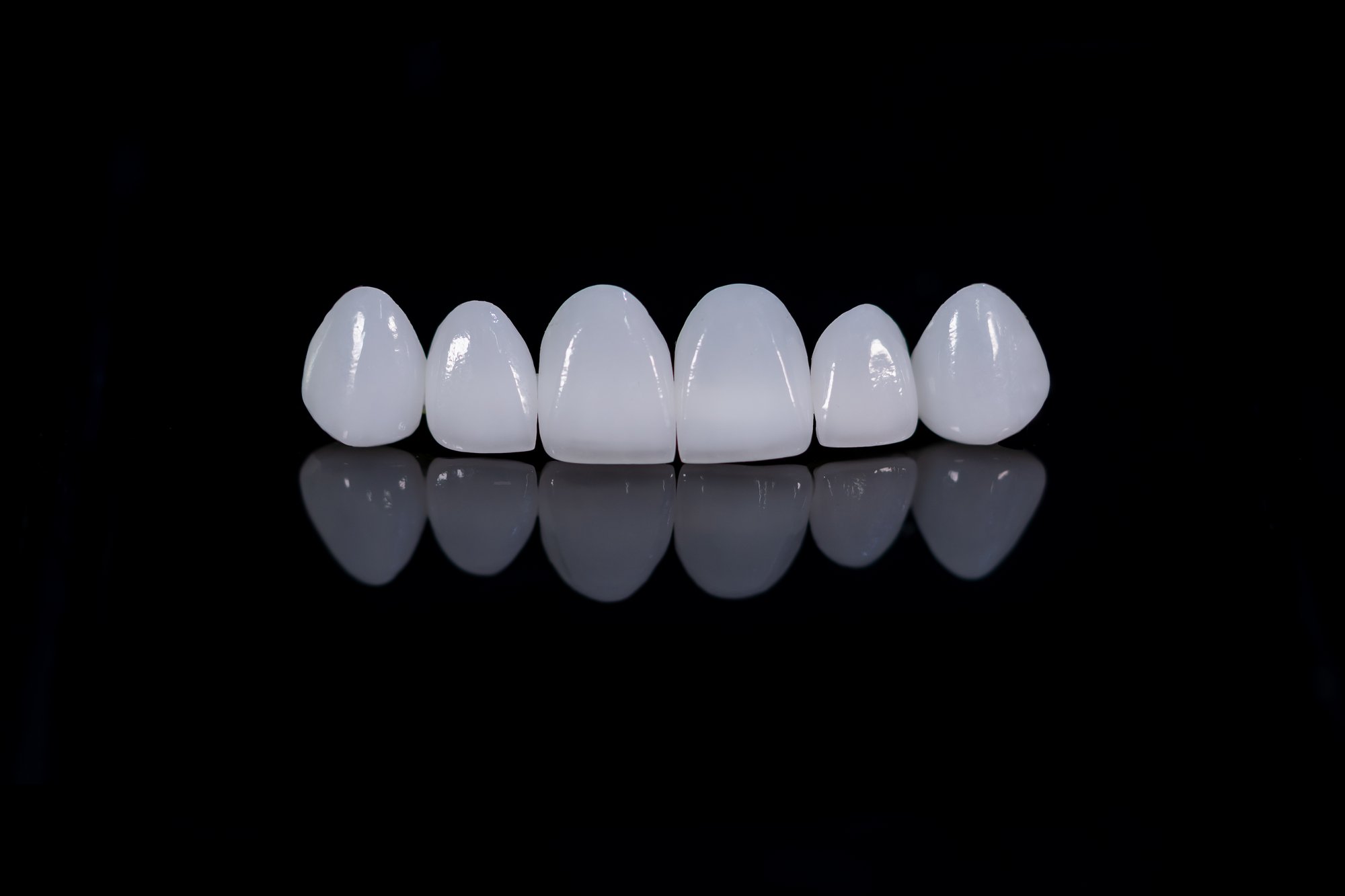
Can veneers fix gaps and chips at the same time? In a lot of cosmetic cases, yes, and that’s a big piece of their appeal. Veneers are thin, custom-made facings, either porcelain or composite, that bond over the front of your teeth. One set can cover gaps, chips, stains, and small shape issues all in a single go. That all-in-one quality is what makes them such an easy way to refresh a whole smile at once.
Key Takeaways
- Veneers are slim facings bonded to the visible side of your teeth, and they can hide a whole range of cosmetic flaws at once.
- A single set can handle gaps, chips, stains, and minor shape issues together, and that one-plan simplicity is a big reason people love them.
- Porcelain and composite are the two main options, each with its own look, cost, and expected lifespan.
- Veneers are cosmetic, so healthy teeth and gums come first, and any decay or gum disease gets treated before they go on.
- Very large gaps or bite problems may call for orthodontics instead, and our dentist can help you weigh every option.
Can Veneers Fix Gaps and Chips at the Same Time?
Yes, and knocking out several issues in one go is a big part of their appeal. According to the Cleveland Clinic, veneers can conceal chips, cracks, gaps, discoloration, and teeth that are small or misshapen. Since each veneer is custom-made, a single set can tackle a mix of concerns in one treatment. So a chipped front tooth and the gap right beside it get handled together, not across two separate visits. For a lot of people, that’s the shortest route to an even, natural-looking smile. You skip the hassle of stacking up separate procedures, which saves both time and money. One plan covering a few goals at once is exactly why veneers are worth a look.
How Do Veneers Close Gaps?
Veneers close a gap by subtly widening how broad each tooth looks. The shells are designed to fill the space evenly, so the finished smile reads smooth and balanced instead of patched. This works best on small to moderate gaps, the kind dentists call diastemas. You get the result without braces, usually inside a couple of visits. For a purely cosmetic gap, it’s a quick, comfortable fix. And since no teeth actually move, there’s no long adjustment period to wait out; you just see the new shape once the veneers go on, ready to show off on a walk down the Strand that same week.
Porcelain vs. Composite: Which Is Right for You?
Both materials fix gaps and chips well, but they part ways in a few spots. Porcelain veneers are lab-made, shrug off stains, and tend to last the longest. Composite veneers are shaped right onto your teeth in a single visit and cost less, though they wear down sooner. The right pick hinges on your budget, your goals, and how much time you want to put in. Our dentist can walk you through both at an unhurried, no-pressure pace. Neither one is a wrong answer; it really depends on what you’re prioritizing, and matching the material to your smile, budget, and daily habits is the whole point.
Are You a Good Candidate for Veneers?
Veneers are cosmetic, so a healthy mouth has to come first. Active cavities or gum disease get treated before any veneers go on. Very large gaps or bite-related spacing may point toward orthodontics rather than veneers. A short consultation is the easiest way to find out what actually suits your smile. From there, the plan gets built around you, spelling out how many veneers, which material, and the timeline. Nothing moves forward until you feel ready.
Frequently Asked Questions
How long do veneers last?
Porcelain veneers often run ten to fifteen years or more with good care. Composite veneers usually give you around four to eight years. Regular cleanings and easy-going habits stretch the life of either one.
Do veneers ruin your natural teeth?
Porcelain veneers remove a thin layer of enamel first, which makes them a permanent commitment. Composite options often need little or no enamel taken off. Our dentist can explain exactly what your specific case involves.
Can veneers fix a chipped and gapped tooth together?
Yes, that’s one of their biggest strengths. A single veneer, or a small set, can smooth a chip and close a gap in the same treatment. It’s also one of the more common requests dentists get.
One Smile, Fixed Together
So, can veneers fix gaps and chips at once? In most cosmetic cases, yes. Veneers let our dentist correct several flaws in one efficient treatment, with none of the wait that comes with braces. If your teeth and gums are healthy, this could be the low-key smile upgrade you’ve had in the back of your mind. A good plan starts by talking through your goals and making sure the whole approach fits your smile.
- If you want to learn more about how veneers fix gaps and chips, visit our Veneers in Oceanside, CA page or schedule a consultation.