
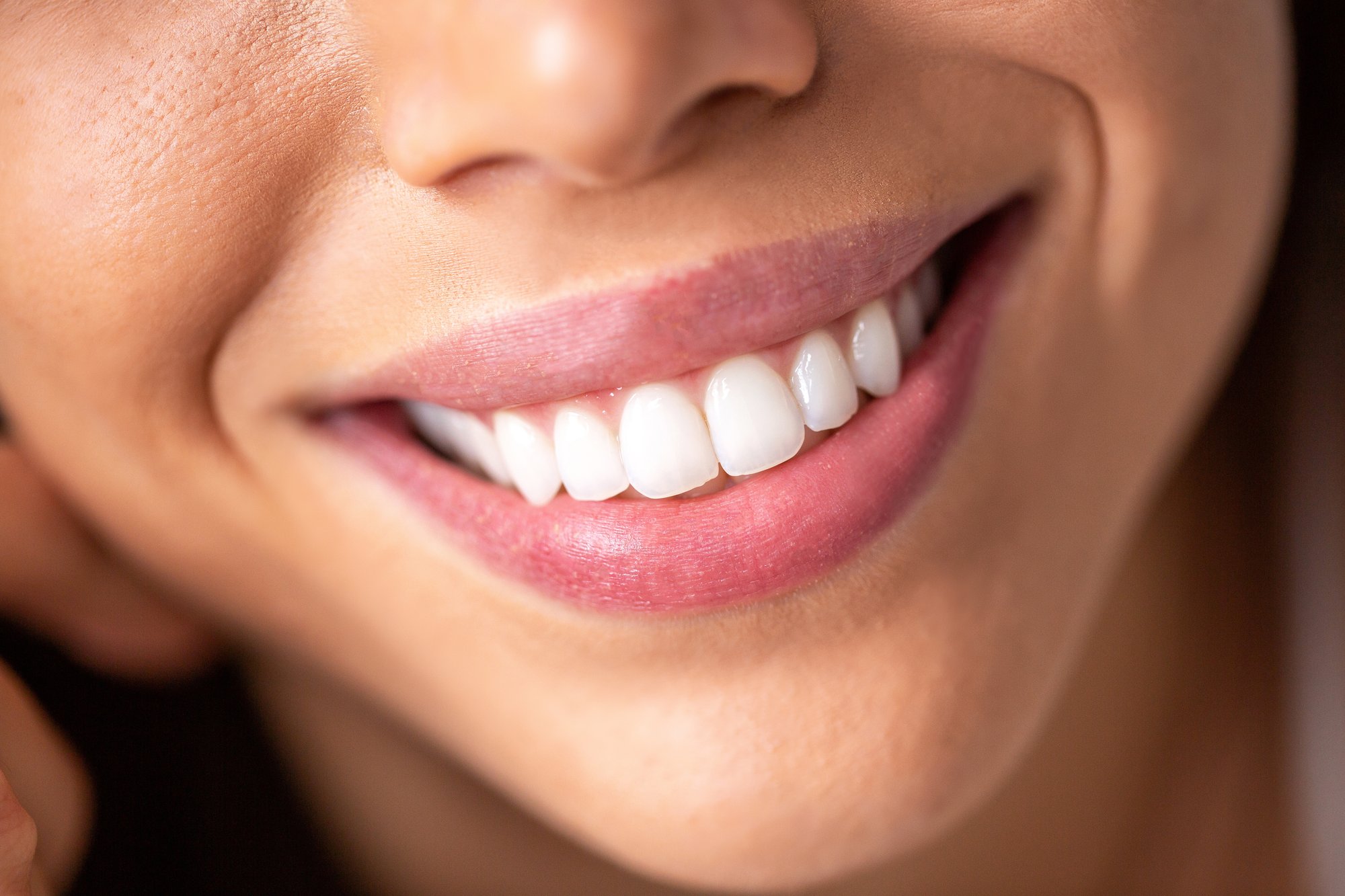
Tried every strip and kit but your smile still looks dull? Wondering why your teeth get whiter at home so slowly, if at all, is a common frustration. Teeth whitening is a treatment that lightens stains using peroxide-based agents to brighten your smile. Store-bought products can help, but professional teeth whitening reaches stains that home kits often cannot. A brighter smile makes those sunset photos on the Oceanside Pier even better.
Key Takeaways
- Home whitening works well on surface stains from food and drink. It struggles with deeper, internal stains.
- Intrinsic stains live inside the tooth. Over-the-counter kits rarely reach them.
- Weak bleach strength limits many store-bought products. Professional gels are far stronger.
- Teeth look whiter right after treatment, then rehydrate. Some brightness fades within a day or two.
- A dentist can pinpoint why whitening stalls. Professional options often succeed where kits fail.
Why Won’t My Teeth Get Whiter at Home?
The answer usually depends on what kind of stain you are fighting. According to the Cleveland Clinic, discoloration is either extrinsic, sitting on the enamel surface, or intrinsic, forming inside the tooth within the dentin. Home kits lift surface stains fairly well but struggle to reach stains deep inside the tooth. That mismatch is why many people see little change from strips and gels.
What Is the Difference Between Surface and Deep Stains?
Stains come in two main types, and the difference matters. Extrinsic stains sit on the enamel and come from coffee, tea, wine, and tobacco. Intrinsic stains form within the dentin, often due to aging, medications, or injury. Surface stains respond to whitening, while deep stains tend to resist it.
Why Are My Whitening Kits Not Strong Enough?
Over-the-counter kits are made to be safe for unsupervised use, so their strength is limited. Their bleaching agents are far weaker than what a dentist can apply in the office. Ill-fitting trays also let the gel slip away from the teeth. Together, these limits explain why home results can feel underwhelming.
Do Teeth Really Look Whiter Right After Whitening?
They do, but part of that early brightness is temporary. Whitening briefly dries out the teeth, which makes them look lighter than they really are. Within a day or two, the teeth rehydrate, and the shade settles back. That rebound can make home whitening seem less effective than it first appeared.
What Can Make Teeth Whiter?
If home kits are not delivering, several stronger options can help. The right choice depends on the type and depth of your stains. A dentist can guide you toward what will actually work for your smile.
- In-Office Whitening. Uses professional-strength gel. Delivers fast, visible results.
- Custom Trays. Fit your teeth precisely. Keep the gel where it belongs.
- Dental Bonding. Covers deep stains directly. Great for a single dark tooth.
- Porcelain Veneers. Mask stubborn intrinsic stains. A lasting cosmetic fix.
- Professional Cleaning. Removes built-up surface stains. A helpful first step.
When Should You See a Dentist About Whitening?
If weeks of home whitening bring no change, it is worth a professional opinion. Our dentist can tell if your stains are on the surface or deep inside the tooth. From there, they can match you with a treatment that fits the cause. Getting that guidance saves you money and frustration on kits that will not work.
Frequently Asked Questions
Can all stains be whitened at home?
No, home kits work best on surface stains from food and drink. Deeper, intrinsic stains usually need professional treatment. A dentist can tell which type you have.
Is professional whitening safer than home kits?
Professional whitening is done under supervision, which lowers the risk of gum irritation and overuse. Dentists protect your gums and control the bleach strength. That makes it both safer and more effective for tougher stains.
How long does professional whitening last?
Results often last several months to a couple of years with good care. Avoiding staining foods and drinks helps them last longer. Simple touch-ups can keep your smile bright over time.
Does Whitening Damage Enamel?
Used correctly, whitening is considered safe for tooth enamel. The peroxide agents lift stains without stripping away the enamel itself. Some people feel temporary sensitivity, which usually fades within a day or two. Following directions and spacing out treatments keeps the process gentle. Our dentist can recommend a gentler routine if your teeth feel sensitive.
Getting the Bright Smile You Want
If your teeth will not get whiter at home, the reason is usually the type of stain rather than anything you did wrong. Surface stains respond to home kits, but deep stains need the stronger tools a dentist provides. Professional teeth whitening and other options can reach what strips cannot. A quick visit points you toward the brighter smile you have been chasing.
- If you want to learn more about why your teeth get whiter at home so slowly, visit our Teeth Whitening in Oceanside, CA page or schedule a consultation.