
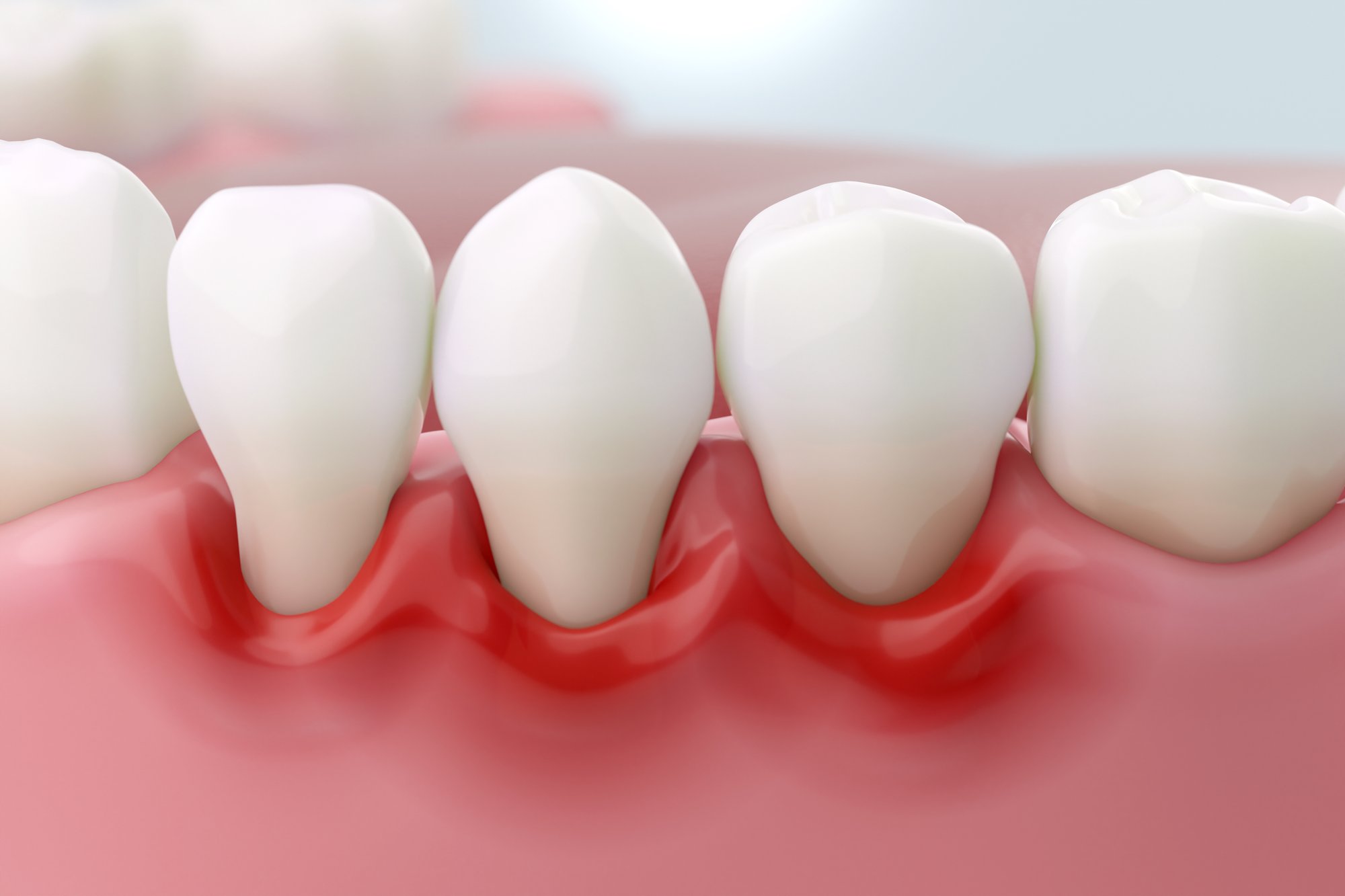
Told you need more than a regular cleaning and not sure why? The point of a deep dental cleaning is to stop gum disease before it costs you teeth. A deep dental cleaning is a treatment that clears hardened tartar and bacteria from beneath the gumline. As part of periodontal therapy, it clears the bacteria a routine cleaning cannot reach. Healthy gums keep you smiling through a morning walk at Guajome Regional Park.
Key Takeaways
- A deep cleaning treats gum disease below the gumline. A regular cleaning cannot reach that far.
- It has two parts: scaling and root planing. Together, they remove tartar and smooth the roots.
- The goal is to help gums reattach to the teeth. This shrinks the pockets where bacteria hide.
- Deep cleaning can prevent bone and tooth loss. It is often the first step in periodontal therapy.
- Good home care keeps the results lasting. Ongoing maintenance visits protect your gums.
What’s the Point of a Deep Dental Cleaning?
The purpose is to halt gum disease that a standard cleaning cannot control. According to the American Academy of Periodontology, scaling reaches beneath the gumline to remove plaque and bacterial toxins from deep pockets, and root planing smooths the root so gums can reattach. This clears the infection at its source. The payoff is healthier gums and a lower risk of losing teeth.
How Is a Deep Dental Cleaning Different From a Regular Cleaning?
A routine cleaning polishes the visible parts of your teeth above the gumline. A deep cleaning goes further, reaching into the pockets that form when gums pull away. It removes hardened tartar and bacteria that a regular cleaning leaves behind. Simply put, one maintains healthy gums while the other treats gums that are already diseased.
What is Scaling and Root Planing?
A deep cleaning has two connected steps. Scaling removes plaque and tartar from above and below the gumline, cleaning all the way to the bottom of each pocket. Root planing then smooths the tooth roots so bacteria have fewer places to cling. Together they give your gums the chance to heal and tighten back around the teeth.
Why Do You Need a Deep Dental Cleaning?
A deep cleaning is recommended when gum disease has moved past the earliest stage. Deep pockets, bleeding gums, and tartar below the gumline all signal that a regular cleaning is not enough. Left untreated, that infection can destroy the bone that holds your teeth. Deep cleaning steps in to stop the damage before it becomes permanent.
What Are the Benefits?
A deep cleaning does more than freshen your mouth. It targets the root causes of gum disease and protects your long-term health. The advantages add up quickly once the infection is under control.
- Healthier Gums. Reduces swelling and bleeding. Gums can begin to reattach.
- Fresher Breath. Removes odor-causing bacteria. Breath improves noticeably.
- Tooth Protection. Guards against bone loss. Helps you keep your teeth.
- Smaller Pockets. Shrinks the gaps that trap bacteria. Easier to keep clean.
- Better Foundation. Sets up future care. Supports lasting oral health.
Does a Deep Dental Cleaning Hurt?
The procedure is made comfortable with local anesthesia to numb the area. You may feel some pressure, but sharp pain is uncommon during treatment. Afterward, mild soreness or sensitivity for a few days is normal. Most people handle any soreness with an over-the-counter pain reliever and gentle brushing.
What Happens After a Deep Cleaning?
Healing begins as soon as the bacteria are cleared away. Your gums start to firm up and reattach to the teeth over the following weeks. Good brushing and flossing at home protect that progress. Many people then move on to regular maintenance visits to keep gum disease from returning.
Frequently Asked Questions
How long does a deep cleaning take?
It often takes more than one visit, with each side of the mouth treated separately. Each appointment usually lasts about an hour or two. Your dental team will map out a schedule that fits your needs.
Will I need more than one deep cleaning?
Many people need only one course to get gum disease under control. After that, regular maintenance cleanings keep things stable. Your provider will monitor your gums and advise if more is needed.
Is a deep cleaning covered by insurance?
Many dental plans cover deep cleaning when it is medically necessary for gum disease. Coverage varies, so it helps to check your benefits. Your dental office can often verify this for you beforehand.
How Do You Keep Gums Healthy Afterward?
The work does not stop once the deep cleaning is done. Brushing twice a day and flossing keep new plaque from building up along the gumline. Regular maintenance visits let your dental team monitor pocket depths and clean below the gums. With that steady care, the gains from your deep cleaning can last for years.
Investing in Healthier Gums
The point of a deep dental cleaning is simple: to stop gum disease and protect the teeth you have. By clearing bacteria below the gumline, it gives your gums the chance to heal and tighten. As a cornerstone of periodontal therapy, it can spare you far bigger problems down the road. Healthy gums are the foundation of a healthy smile.
- If you want to learn more about the point of a deep dental cleaning, visit our Periodontal Therapy in Oceanside, CA page or schedule a consultation.