
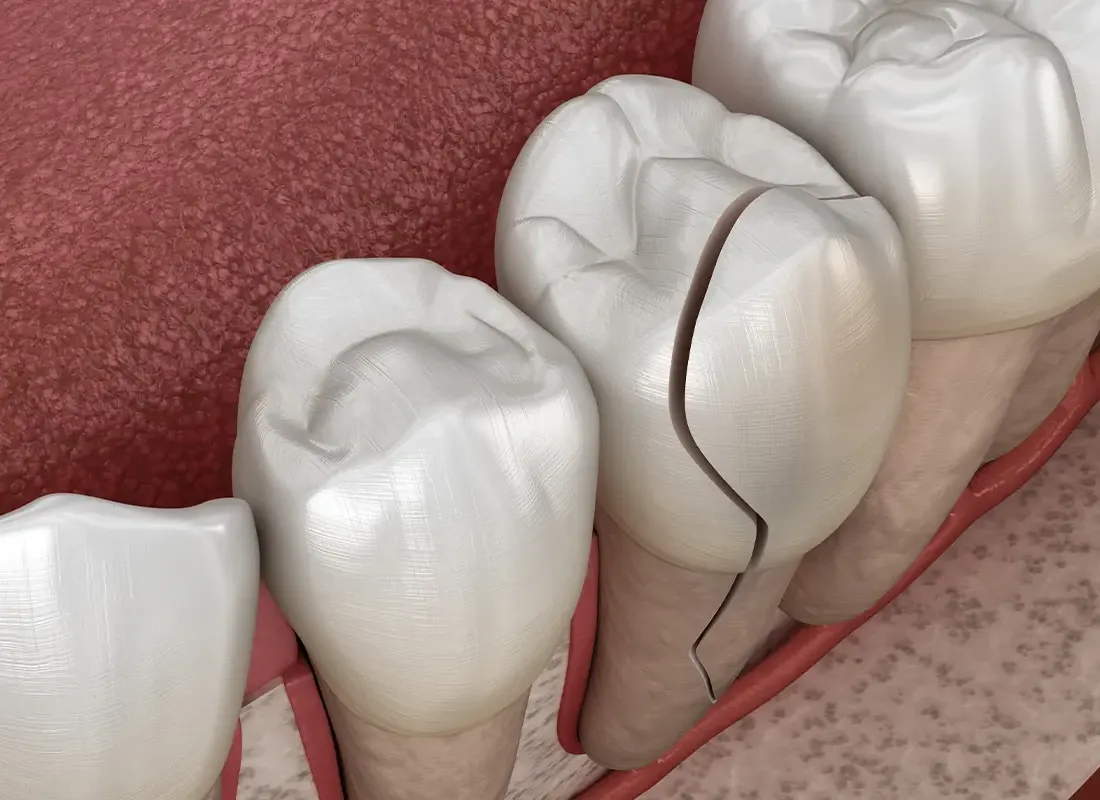
A few calm steps protect a chipped tooth and the mouth around it until a dentist can look at it.
Bit into something hard, took an elbow during a fall sports game, or lost a corner of a tooth after a surf wipeout? Knowing what to do for a chipped tooth in the first few minutes protects both the tooth and the soft tissue around it.
A chipped tooth has lost a small piece of enamel and, in a deeper chip, some of the layer beneath it. Emergency dentistry is the branch of care built for problems that should not wait for a routine appointment, and a chip can be one of them. According to MouthHealthy from the American Dental Association, knowing what to do when an accident happens can mean the difference between saving and losing a tooth.
Quick Answer
What to do for a chipped tooth starts with rinsing gently with warm water and holding a cold compress against the cheek if it swells. Save any broken piece in a clean container with a little milk. Cover a sharp edge with sugar-free gum or dental wax, then call a dentist for advice.
Key Takeaways
- Rinse the mouth with warm water and hold a cold compress against the cheek for swelling.
- Keeping the piece moist gives a dentist a chance to bond it back onto the tooth.
- A jagged edge can cut the tongue or cheek, so covering it protects soft tissue.
- Pain, lingering sensitivity or swelling after a chip can mean the damage reaches deeper than enamel.
- A mouth guard and fewer bites of ice, popcorn kernels and hard candy help prevent chips.
What Should Happen in the First Few Minutes?
Start by rinsing the mouth gently with warm water to clear away debris. If the lip or cheek is swollen, a cold compress held against the outside of the face helps keep the swelling down. Both steps come from the ADA’s guidance for a cracked tooth, and they suit a chipped tooth as well.
Next, check the mouth for pieces that are still loose. Food caught around the chip can be cleared with gentle flossing. Prying at a chipped edge with a toothpick or a pin can scrape the gum and make the break worse.
Should the Broken Piece Be Saved?
Yes, if it can be found. A dentist can bond a fragment back in place when the piece is big enough and broke cleanly. Even when bonding is not possible, the piece shows how much of the tooth is missing. A clean container with a little milk keeps the fragment from drying out while you travel to the office.
How Can a Sharp Edge and Pain Be Managed Before the Visit?
A chipped edge can be sharp enough to cut the tongue or the inside of the cheek. A piece of sugar-free gum or a bit of dental wax pressed over the edge gives temporary cover. Neither one is a repair. Each simply keeps the edge from scraping tissue until the tooth can be treated.
For discomfort, chewing on the other side and skipping very hot, very cold or sticky foods helps keep an exposed tooth from reacting. Over-the-counter pain relievers taken as the label directs are a common choice. Aspirin should stay off the tooth and gum, since the same guidance warns against placing it there for toothaches.
When Is a Chipped Tooth More Than a Cosmetic Problem?
A tiny chip with a rough edge may involve only the outer enamel. A chip that hurts when biting, reacts sharply to cold air or leaves a lingering ache suggests damage that reaches the inner layers of the tooth. Bleeding from the tooth or a break that looks deep may signal the same thing.
Go to the ER or call 911 if swelling spreads toward your eye or neck, you have trouble breathing or swallowing, or bleeding won’t stop. A fever with facial swelling needs care the same day. Get emergency care as well when the chip came with a blow to the head or jaw. For anything else, call the office, say what happened, which tooth is affected and what hurts, so the staff can decide how soon to see you.
What Does a Dentist Do for a Chipped Tooth?
Treatment follows how much of the tooth is gone. A small chip may need only smoothing and polishing. A larger one is commonly rebuilt with tooth-colored bonding, and a chip that removes a large part of the tooth may need a crown to hold what is left together.
The dentist may take X-rays to check the root and the bone around it. A root canal may be needed if the tissue inside the tooth is damaged.
How Can Chips Be Prevented?
Some chips cannot be avoided, but many come from habits that are easy to change. A mouth guard worn for sports or recreational activities absorbs force that would otherwise land on the teeth. Ice, popcorn kernels and hard candy are known for cracking teeth, and teeth are not a substitute for scissors when opening packages or cutting tape.
Clenching and grinding wear edges thin over time as well, which can explain a chip that has no clear cause.
Frequently Asked Questions
Can a chipped tooth heal on its own?
Enamel does not grow back, so a chip stays until a dentist repairs it. A small chip may need only smoothing, while a larger one may need bonding or a crown. Waiting can leave the inner layers of the tooth exposed, so it is worth having the tooth checked.
Is it safe to wait to see a dentist about a small chip with no pain?
A small chip that does not hurt can still expose the inner layers of the tooth, so call the office and describe it. The staff can decide how soon to schedule a visit. In the meantime, cover any rough edge and chew on the other side.
How much does it cost to fix a chipped tooth?
The cost depends on how much of the tooth is missing. Smoothing a tiny chip, bonding a larger one and placing a crown are different treatments with different fees. A dentist can give a personalized estimate after an exam, and you can ask for it itemized.
Related Reading
-
If you want to learn more about chipped teeth, visit our Emergency Dentistry in Oceanside, CA, page or schedule a consultation.